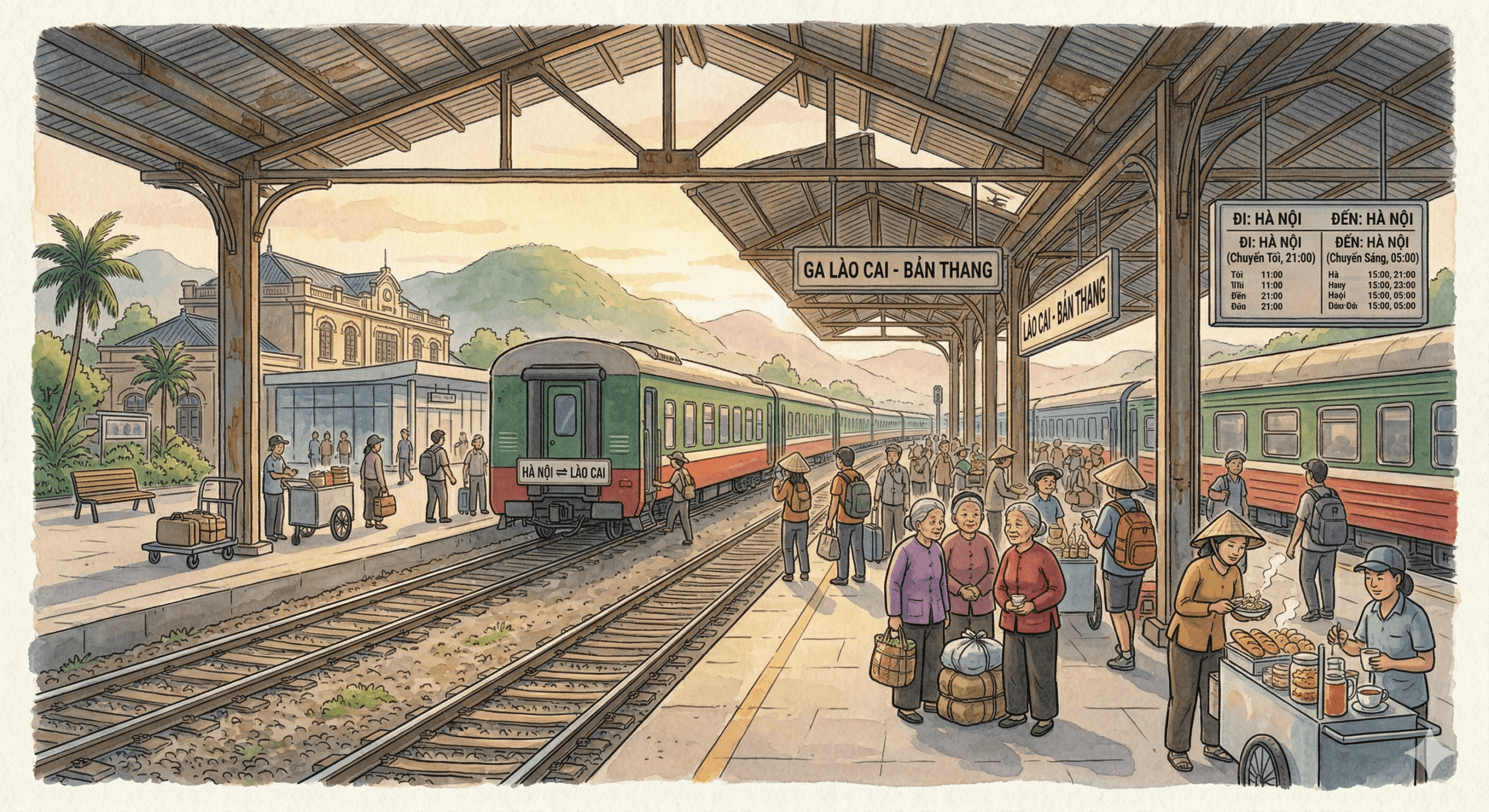
Leaving Hanoi is always at night. Standing on the Hanoi station platform, the smell of oil, the unfamiliar scent of fabric softener from luggage, and the unique tension and excitement of people setting off somewhere mingle together. It is not sound, but vibration, that signals the train's departure. To anyone asking how to get to Sapa, I always ask back first: "How would you like to arrive?"“
The distance from Hanoi to Sapa is approximately 320 kilometers. The experience of those 320 kilometers varies completely depending on the method you choose. Over the past 10 years, I have traveled this route dozens of times by train, bus, and by driving myself. While all three methods lead you to Sapa, the feeling upon arrival is entirely different.
If you are curious about the entire travel route to Northern Vietnam Sapa Travel Preparation GuideIt is also helpful to read this together. In this article, three methods of transportation are compared based on actual experience.
How to Get to Sapa ① Train — The Choice of Slow Travelers
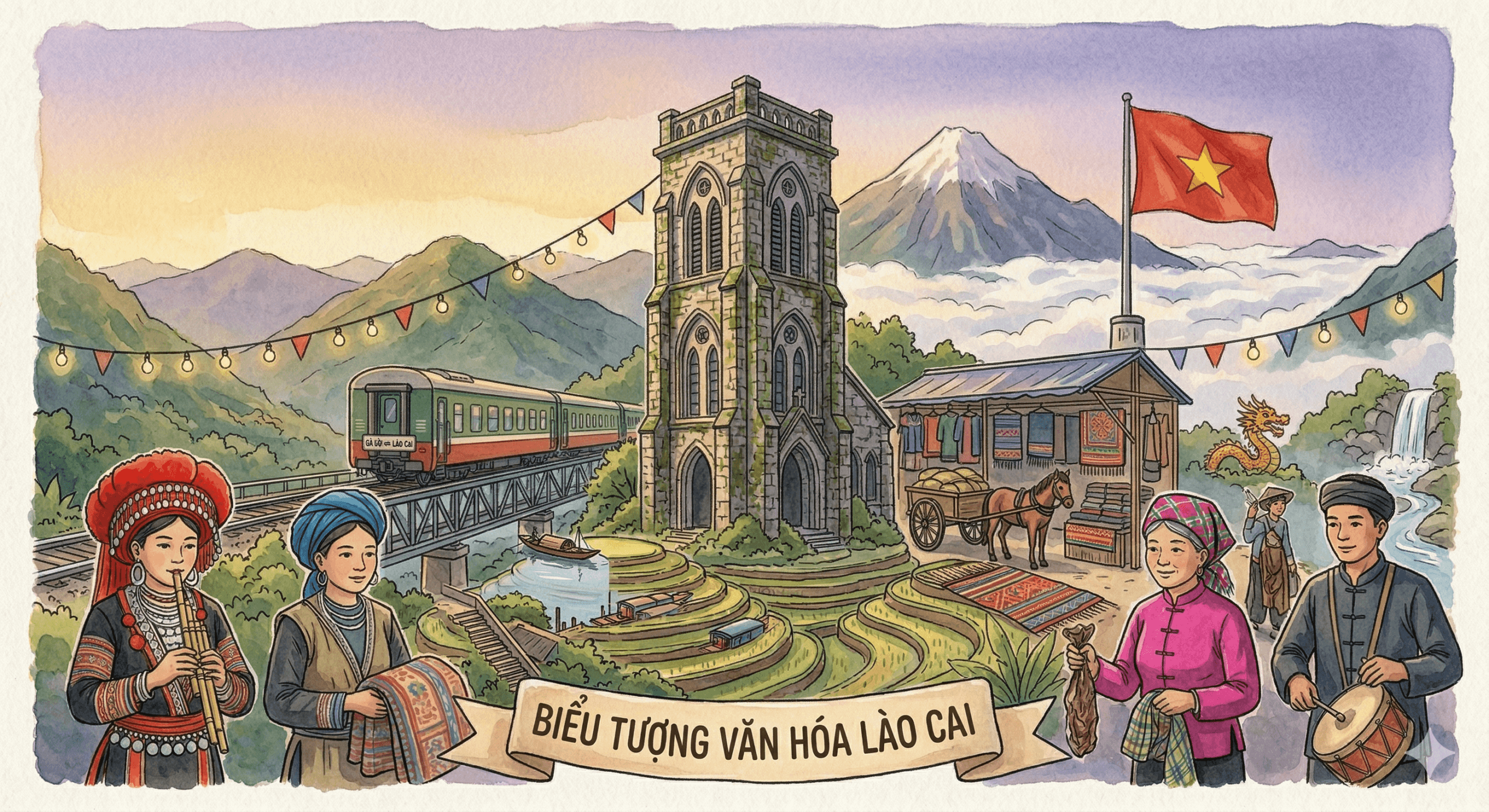
The journey from Hanoi to Sapa inevitably passes through Lao Cai.
If you are wondering what kind of city Lai O Kai is Lao Cai Travel GuideLet's refer to this.
The overnight train from Hanoi Station to Lao Cai Station travels for about eight hours. It departs around 10 PM and arrives in Lao Cai early in the morning. From there, you have to take a bus or taxi for another 40 minutes to reach Sapa. It is not efficient. However, people who choose the train do not come for efficiency.
Lying in a two-person soft sleeper compartment and looking out the window, you can feel the topography of Vietnam even in the darkness. When the flat land disappears and the road begins to curve, that is when you enter the North. Experiencing that change with your body is the very reason for a train journey.
Train Timetable (Hanoi → Lao Cai): SP1 Departs 21:35 → Arrives 05:15 (Every Friday) / SP3 Departs 22:00 → Arrives 05:55 (Daily) / SP7 Departs 22:40 → Arrives 06:25 (Daily)
Reservation Tips: Reservations should be made at least 2–3 days in advance, or 1–2 weeks in advance for weekends and peak season. The soft sleeper double room is the most comfortable. Reservations can be made at Baolau.com or 12go.asia. One-way fares are approximately $20–40 (depending on the room class). After arriving in Lao Cai, the bus to Sapa takes 40 minutes (30,000–50,000 VND).
The downside of the train is clear. It is not a direct route to Sapa; you have to transfer in Lao Cai. Transferring early in the morning while tired is a hassle. However, since it is an overnight journey, it also helps save on accommodation costs.
How to Get to Sapa ② Sleeping Bus — Direct from Hanoi to Sapa
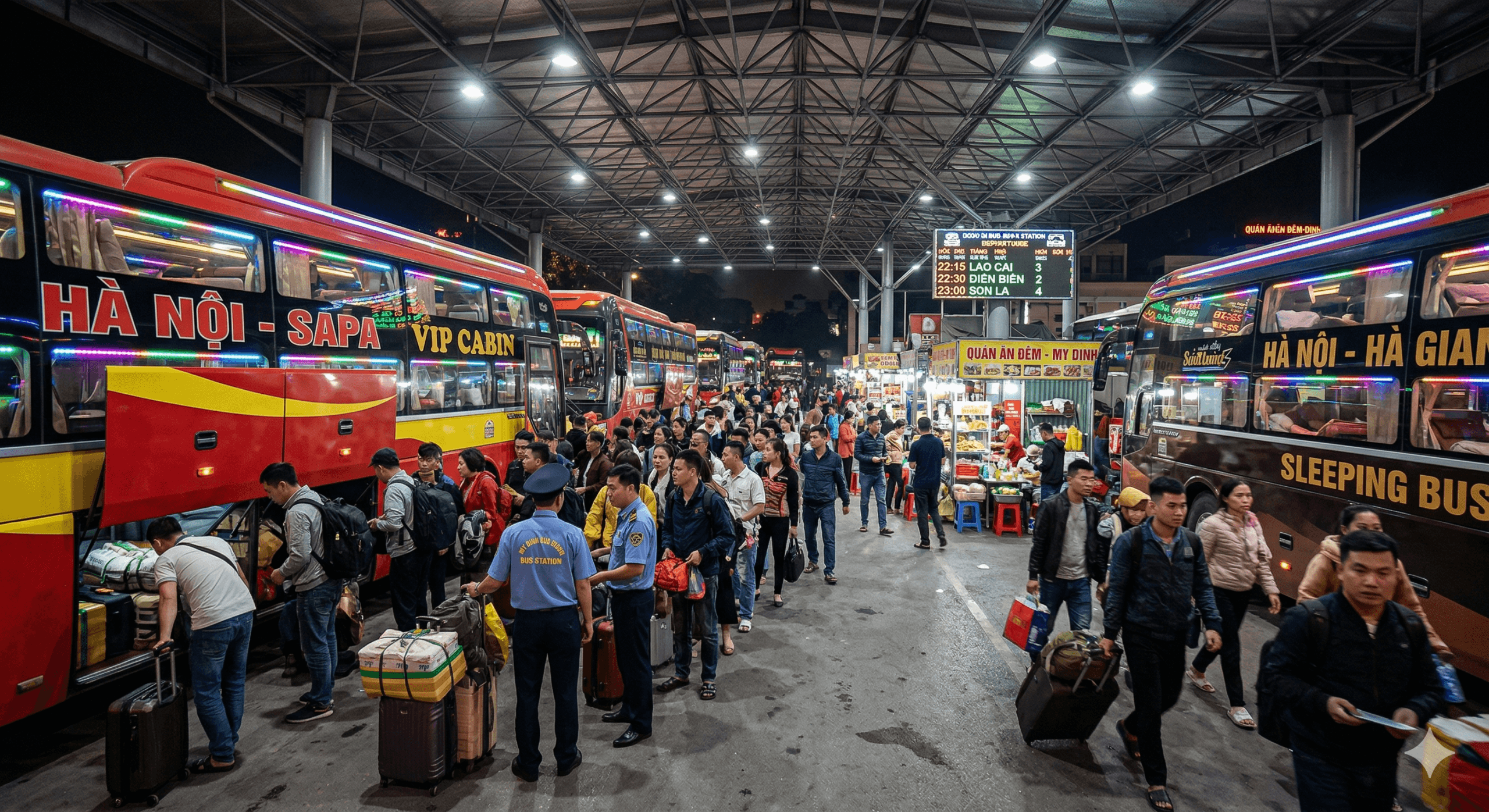
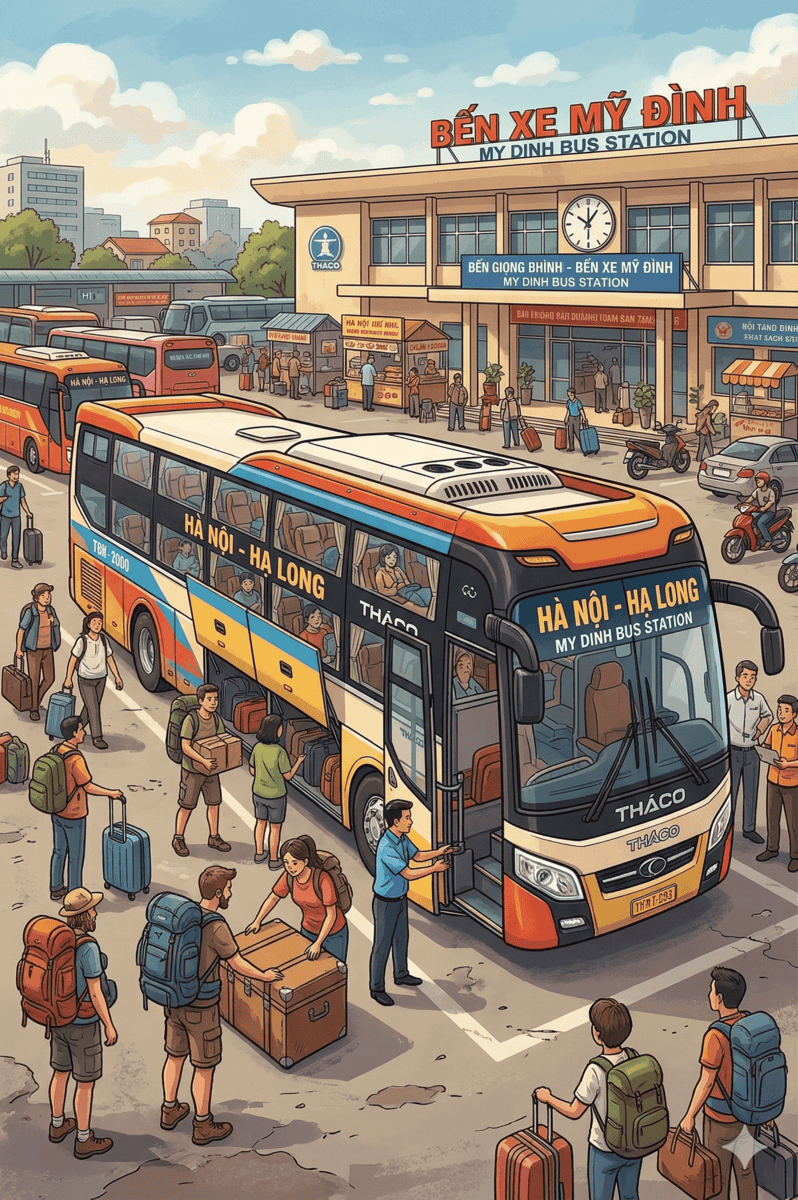
These days, far more travelers are choosing sleeping buses over trains. They depart around 9 PM and arrive in the center of Sapa before dawn. There is no need to transfer, and the seats are reclining and air-conditioned. The fares are also often cheaper than trains.
Usage Information: Departs from Hanoi My Dinh Bus Terminal or Gia Lam Terminal. Major routes: Hung Thanh, Sapa Express, Hoang Long. One-way fare approximately $15–$25. Travel time approximately 5–6 hours. Direct arrival at Sapa city center — no transfers.
I will also be honest about the downsides. Vietnamese buses do not hold back on honking. As the road gets closer to the mountains, there are more curves, which can be a real ordeal for those prone to motion sickness. The fatigue you feel upon arriving in Sapa by bus can be greater than that of a train. Vietnam Tourism Board The Sapa page also introduces how to move to this section.
If you want both cost-effectiveness and convenience, a sleeping bus is currently the most realistic choice.
How to Get to Sapa ③ Rental Cars & Private Vehicles — How the Road Becomes the Destination
There is an option that trains and buses do not offer. Driving yourself from Hanoi to Sapa takes about 5 to 6 hours during the day. You can stop whenever you want and pass by wherever you wish. The road itself becomes the scenery.
Experiencing firsthand the river, rice paddies, and the approaching clouds below on the mountain road section passing through Lao Cai and heading up to Sapa is an experience that trains or buses cannot provide. Since trains and buses mostly operate at night, you cannot see this scenery.
Usage Information: An International Driving Permit is required. It is recommended to familiarize yourself with Vietnamese traffic laws in advance. Rental cars cost approximately $50–$80 per day (depending on the vehicle type). Private pickup services with a guide are often more convenient.
However, driving on Vietnamese roads is difficult if you are not used to it. It is common for motorcycles to come speeding from the opposite lane, and the curves on mountain roads are sharper than expected. I do not recommend solo driving a rental car for first-time visitors to Northern Vietnam.
If you want to handle everything from transportation to local guidance in one go, it is better to use a private pickup service. You can coordinate everything from pickup in Hanoi to local guidance in Sapa.
Comparison of Ways to Get to Sapa — Which Method Is Right for Me?
After traveling this route for 10 years, I have reached this conclusion: If you have plenty of time and want to enjoy the journey itself, take the train. If you want to reach Sapa directly, comfortably, and quickly, take the sleeping bus. If you want to travel freely at your own pace, rent a car or drive your own vehicle.
If you are a first-time traveler to Sapa, any method is perfectly fine. What matters is not the method, but what you do upon arrival. Arriving in Sapa before dawn, and deciding where to head while the fog still blankets the streets—that is the true beginning of your Sapa trip.
In the next installment, I will cover Lao Cai, a city located an hour from Sapa where China and Vietnam face each other across the same river. Most travelers just pass through it, but I like that city. Complete Guide to Sapa TrekkingReading this as well will help you plan your schedule after arrival.
The author resides in Ha Long Bay and works as a tour guide, operates a travel agency, and engages in local investment. For private tour consultations and travel inquiries, please use the 'Tour Inquiry' option in the top menu.