The feeling of arriving in Hanoi for the first time varies with the seasons.
If you arrive in the summer, the air rushes in before the airplane door even opens. It is heavy and humid. It feels like hot steam is entering your lungs directly. If you land in the winter, it is the opposite. Those who underestimated Southeast Asia and faced January in Hanoi wearing only a thin layer of clothing know this. They know there is a damp chill that penetrates to the bone. Spring and autumn are different yet another. Drizzle falling like fog, and the smell.
The scent of Hanoi is seasonal. Hanoi during the dry season feels stuffy. It is a scent difficult to describe, yet unforgettable once you smell it—a mixture of exhaust fumes, dust, and the smell of an old city. When the rainy season begins, rainwater soaks the asphalt, washing away that smell a little. Then, in early summer, between May and June, if you walk down an alley in Hanoi's Old Quarter, a sudden, sweet, and heavy fragrance washes over you. It is chestnut blossoms. When that scent fills the air, Hanoi becomes a different city. It feels as though the old things are breathing for a moment.
That was my first impression ten years ago.
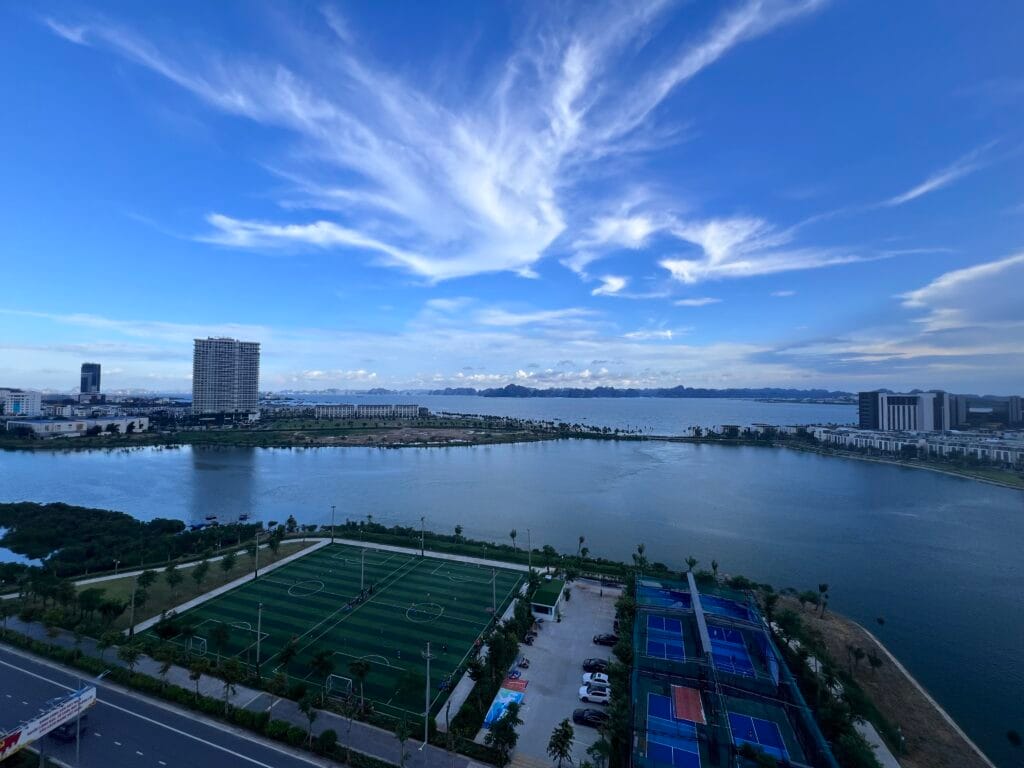
I currently live in Ha Long Bay. I am married to a Vietnamese person and have two children. I work as a tour guide, run a travel agency, and am also in the process of making several investments in Vietnam. It took me ten years from leaving Korea to put down roots here.
So, the person writing this blog is not a traveler.
I live here.
Northern Vietnam has a different atmosphere from the South. I would like to mention this first.
People who have visited Ho Chi Minh City, Da Nang, and Nha Trang often say this when they come to Hanoi: that something is different. They say it is less gentle, rougher, and has an unfamiliar tension. To be honest, that is indeed the case when going through immigration. The expressions behind the counters are stiff, the lines are long, and the atmosphere is businesslike. There are people who feel overwhelmed at that first hurdle.
However, the story changes once you go downtown.
Hanoi is a city that never stops for the sake of tourists. It simply lives. That indifference may feel cold at first, but with time, you come to realize that it is, in fact, freedom. When I sit on a plastic chair in an alley in the Old Quarter eating bun cha, no one pays attention to me. All I have to do is eat.
It is a rough but honest city. It’s not bad. In fact, it becomes comfortable once you get used to it.

Ha Long Bay is a World Natural Heritage Site. Thousands of limestone islands rise from the sea, and every morning, fog half-covers them.
I live in front of it.
During the day, cruises travel between the islands outside the window. When night falls, the scenery changes. Lights scatter over the sea. The lights of the cruises and the lights of fishing boats out for squid fishing. The boats go out equipped with powerful lights to attract the squid, and from a distance, they look like small stars have descended upon the ocean. Even after ten years, that scene has not yet become the backdrop.
There are probably things like that. Things you never get completely used to.
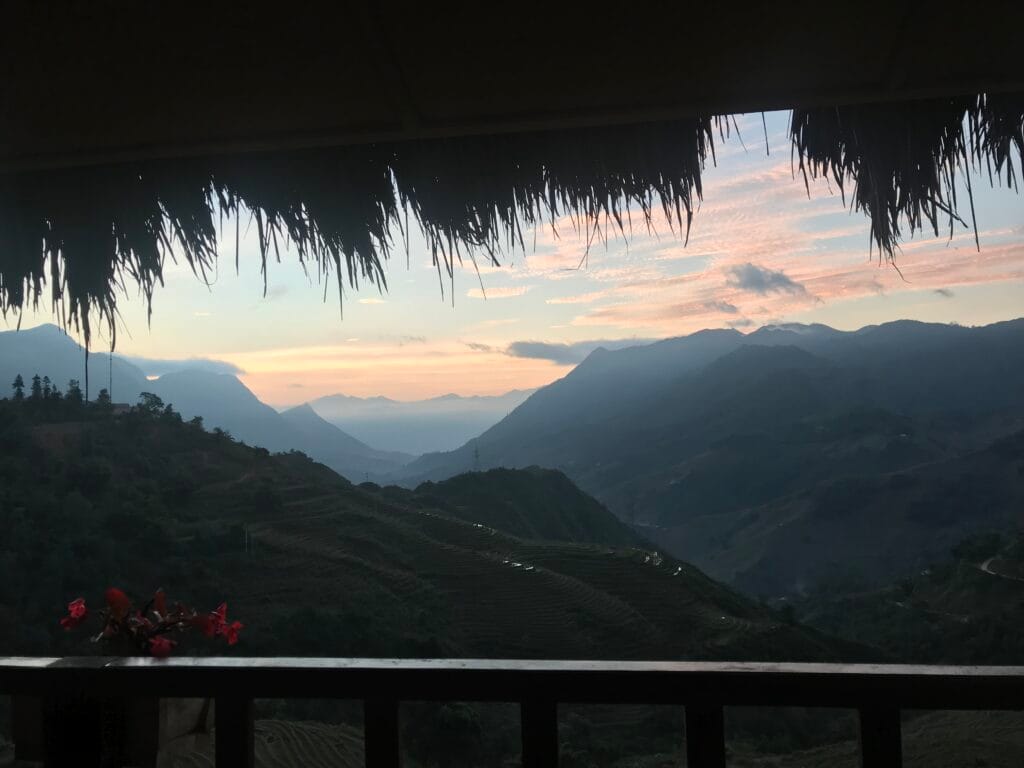
Sapa is another world.
At an altitude of 1,500 meters, clouds envelop the mountainside, terraced rice fields stretch along the ridge, and Hmong women in colorful clothes stroll through the market. If you take the night train from Hanoi and arrive at dawn, the temperature difference is more than 10 degrees. Many people realize for the first time in Sapa that Vietnam can be this cold.
Regarding Lao Cai, the gateway city to Sapa Separate postI organized it like this.
Ninh Binh is quieter. As we pass between the limestone mountains by boat, the woman rowing uses her feet. Not her hands, but her feet. It is the skill she has honed over decades. Inside that valley, time seems to flow differently.
There is a phrase I have heard the most while guiding people in this area for ten years.
“I didn't know a place like this existed.”
Most people who have traveled to Northern Vietnam on package tours follow similar itineraries: fixed restaurants, fixed souvenir shops, and fixed photo spots. Of course, that is also travel. However, that is only the surface of Vietnam.
There is another layer below that.
The time inside the alleys, the food locals eat at dawn, the scenery that changes with the seasons, and streets you would never know without a guide. I have seen these things for ten years. And I believe that is the real Northern Vietnam.
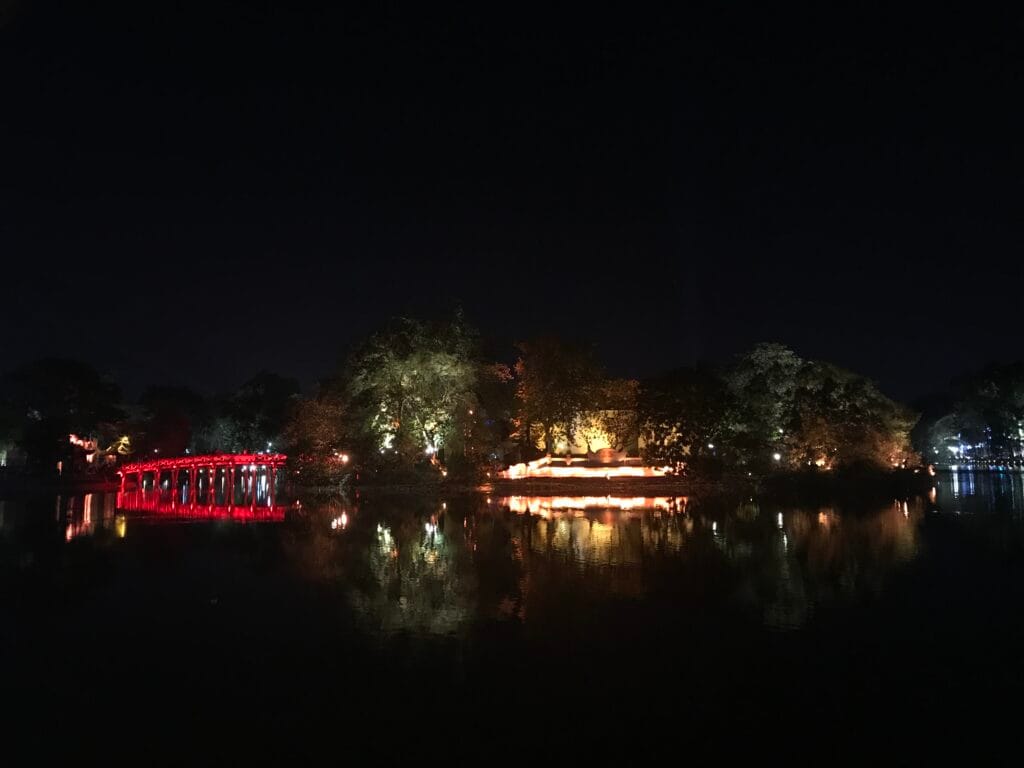
vietgil.com is a space created to share that depth.
You see as much as you know, and what you see lingers as long as you see. Not a trip that ends after a single visit, but a trip that makes you want to return. A trip that makes you want to walk that alley yourself next time. I plan to write here about information and stories to help you have such an experience.
I hope this is helpful to those visiting Northern Vietnam for the first time, as well as those who wish to visit again.
And if we ever run into each other on this road, let's greet each other warmly.
The author resides in Ha Long Bay and works as a tour guide, operates a travel agency, and engages in local investment.
For private tour consultations and travel inquiries, please use 'Tour Inquiry' in the top menu.