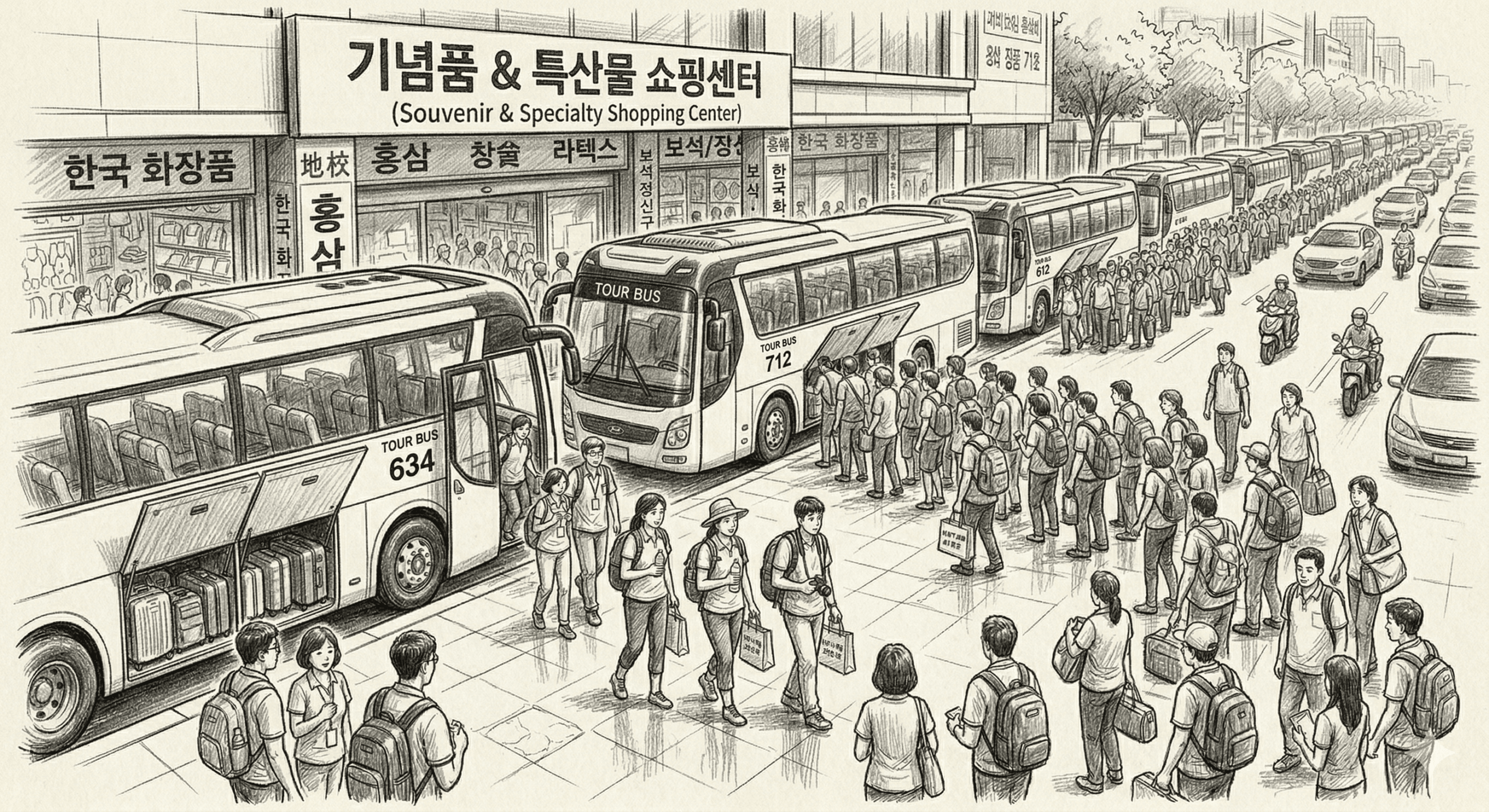
After booking a package tour to Vietnam, you have likely experienced something like this once you are there. During the itinerary, you are suddenly led into a lacquerware shop, and although the guide says, "You may just look around," an awkward atmosphere hangs in the air. You feel like it would be rude not to shop, but if you do, you don't really want to buy anything. Why does this happen?.
I have worked as a guide and operated a travel agency in Northern Vietnam for over 10 years. As someone who has seen the structure of package tours from the inside, I can answer this question honestly. This is not a story about a bad system. It is a story about how understanding the structure makes making choices easier.
If you are considering a package tour to Vietnam, or if you have already been there and are curious about the awkwardness, please read to the end.
A structure where options and shopping are included in Vietnam package tours
When a travel agency creates a package tour, the first thing they do is compare prices. It must be even slightly cheaper than competitors to sell. Consequently, the price goes down. Airfare, hotels, buses, and guide labor costs must all be included within this price. However, that alone is not enough to break even. This is where 'options' and 'shopping' come into play.
Options, or optional tours, are activities for which travelers pay extra locally. These include things like boat tours, night tours, and watching traditional performances. A portion of this amount goes to the travel agency and guide as income. Shopping works in the same way. If a group is taken to a specific store, a certain percentage of the sales is paid as profit. This is precisely why lacquerware shops, jade stores, and coffee plantation-operated stores are included in package tour itineraries.
The structure is simple. Low base price + covering all costs with local revenue. Guides make a living by adding commissions to their low base salaries, while travel agencies recoup the margins locally that cannot be covered by the basic selling price. This structure is not unique to Vietnam; it operates across Southeast Asian package tours.
Consumers have also chosen this structure.
What is interesting is that this structure is not a problem unique to travel agencies. Consumers compare prices. Given the same itinerary, they choose the cheaper option. While some may question, “Why is this so cheap?”, most simply click the booking button. As a result, the market moves toward low-price competition, and travel agencies make up for the lost revenue elsewhere.
In a sense, consumers are co-designers of this structure. The implicit agreement, "I'll go low, but I'll spend some locally," has evolved over time into an industrial structure.
In reality, this structure is not entirely disadvantageous to travelers. For those who actively enjoy local shopping or optional tours, the overall cost can be saved due to the lower basic package rates. Vietnamese lacquerware and coffee are of high quality and reasonably priced. Vietnam Tourism BoardIt also officially recommends lacquerware, silk, and coffee as shopping items.
The real problem is transparency.
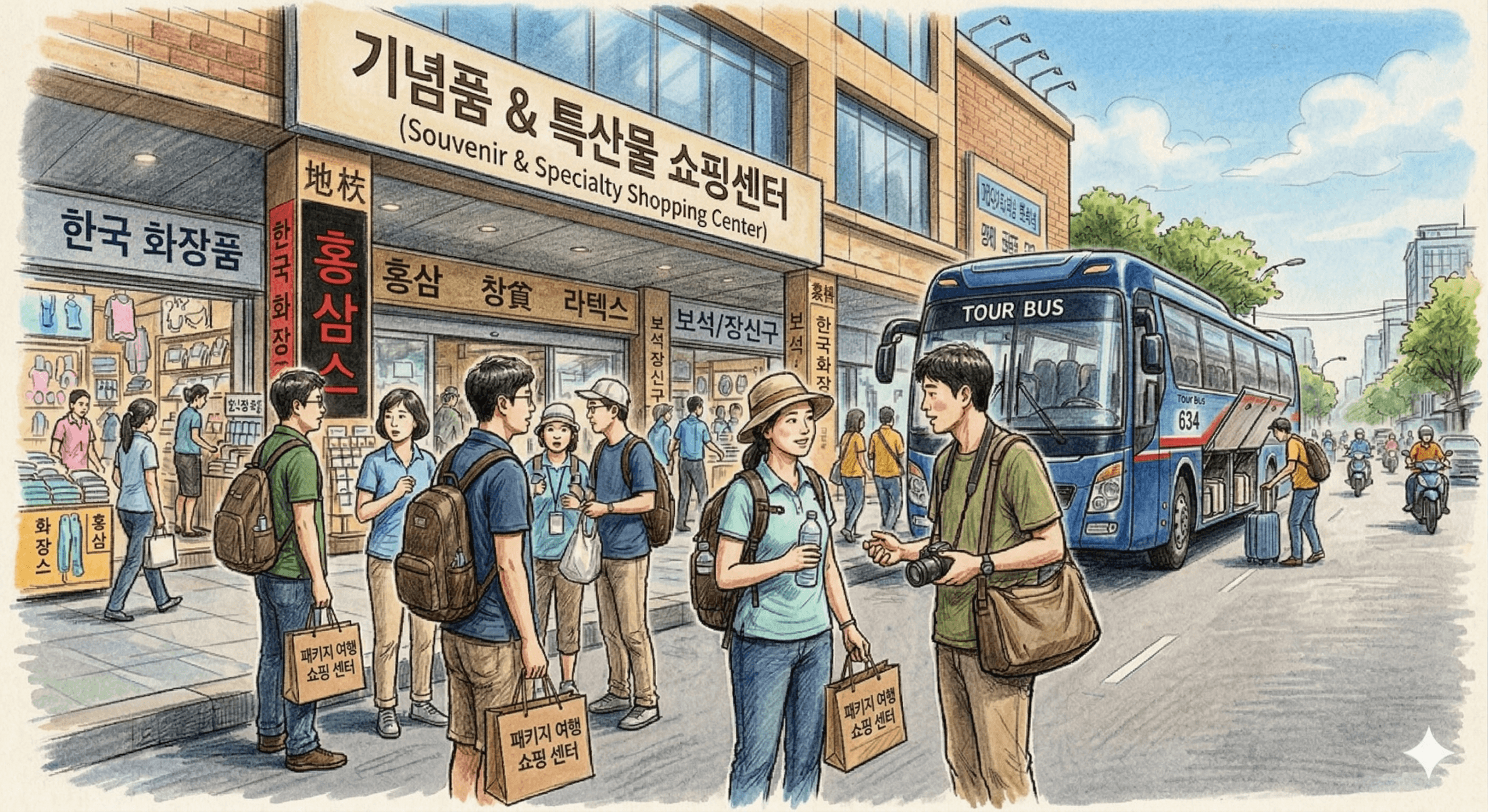
The structure itself is not bad. The problem lies in the fact that this 'contract' is not specified. Travelers do not receive an explanation before departure stating, "This is the profit structure of this trip." As a result, they end up hesitating in front of shopping centers.
Do I feel bad for the guide if I don't go in? Do I have to buy something if I do? That awkwardness arises because no one told me clearly. It is not a problem of structure, but a problem of transparency.
When I conduct private tours, I explain this from the very beginning: “I operate without a commission structure. The restaurants and shops I take you to are places I personally think are good.” This single sentence is the reason why I can travel without any awkwardness throughout the entire trip.
Vietnam Package Tour vs. Private Tour — Which Is Right?
Ultimately, this is not a story about a bad system. It is a story about what you want.
If you can fill your itinerary at a low cost and enjoy local shopping as part of the trip, a Vietnam package tour is a perfectly reasonable choice. It is also convenient if you already have a group of friends and find planning your own schedule a hassle.
On the other hand, if you want to personally select every detail of your itinerary and want your guide's recommendations to come from genuine sincerity rather than a commission, you need a different type of travel. If you desire alleys off the beaten path of package tour buses, a route that visits only local restaurants without shopping, and trekking at your own pace—a private tour is the right choice.
The important thing is to know the structure upon which the method you have chosen stands. The more you know, the more comfortable your choice becomes, and a comfortable choice creates a good journey. Northern Vietnam Travel GuideIt is also a good idea to check out the entire independent travel route.
If you want to experience Northern Vietnam that package tours don't show, join us on a commission-free private tour.
Next, I will cover the inner alleys of Hanoi's Old Quarter that package tours never enter. I will explain why tourist buses do not reach them and how to find your way there on your own.
The author resides in Ha Long Bay and works as a tour guide, operates a travel agency, and engages in local investment. For private tour consultations and travel inquiries, please use the 'Tour Inquiry' option in the top menu.