There are people who say this about Sapa and Fansipan.
“I took the cable car up, took some photos, and came down.”
That's not wrong. You can actually go and do it. The cable car is fast, the summit is high, and the photos turn out great. Then you go home and say, "I went to Fansipan." The highest peak in Indochina, 3,143 meters above sea level. "I've been there."“
But nothing remains.
I have been guiding this path for several years.
That road, starting from Hanoi, involves driving on the highway for four hours and climbing a mountain path for one hour. I have traveled it hundreds of times, yet I still get the same feeling every time I round that final curve. The scenery suddenly unfolding outside the car window. A deep valley below, clouds above. The city lies in between.
It feels like another world is beginning.
It is Vietnam, yet it does not feel like Vietnam. The air is different, the light is different, and time flows at a different speed. It feels as though the noise and heat of Hanoi have been left behind somewhere down below. Here, fog fills the valleys in the morning, clouds envelop the mountain slopes during the day, and the sky lowers in the evening. Indeed, the sky becomes so low that it feels like you could touch it.
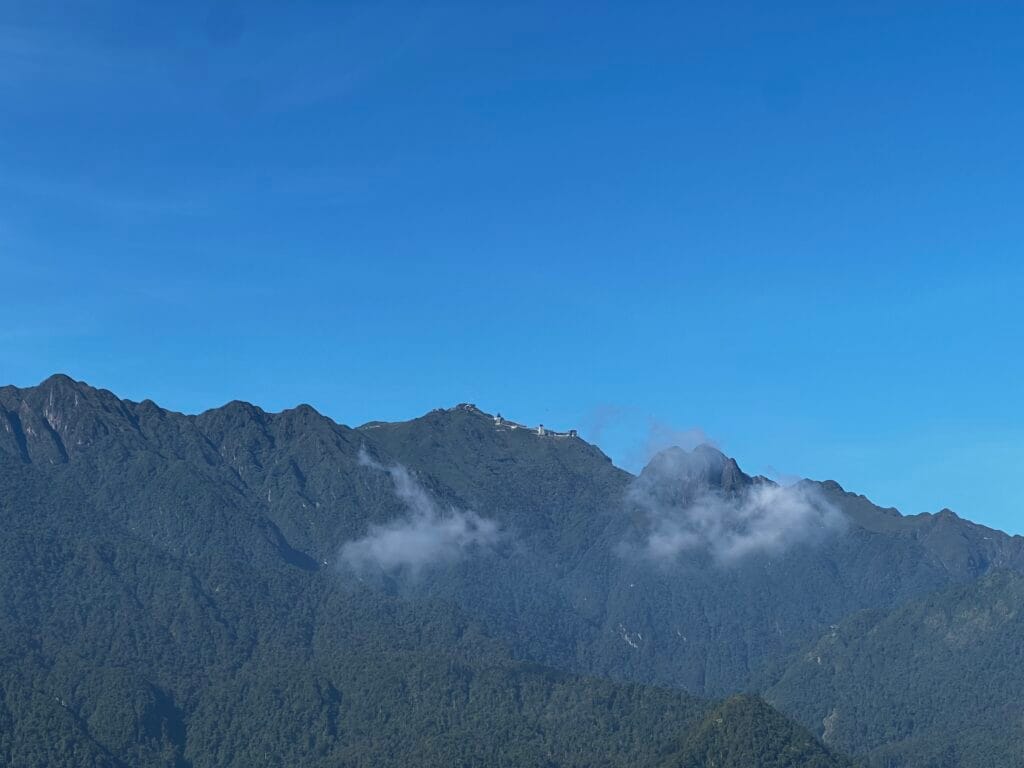
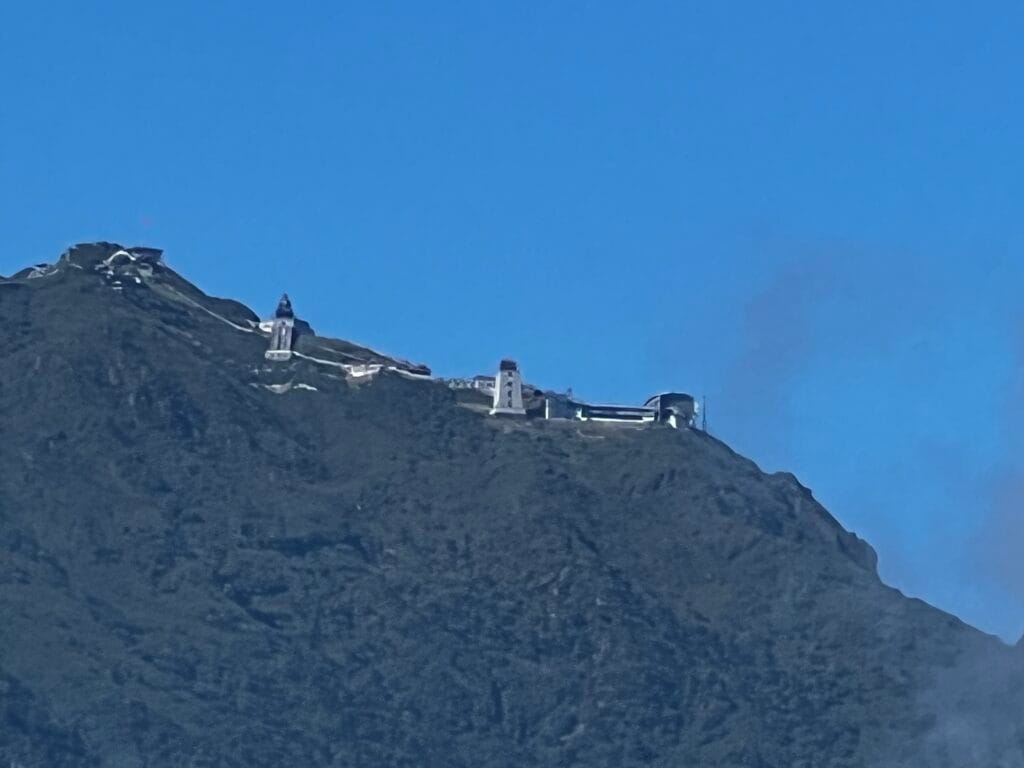
Fansipan is above that city.
The highest mountain on the Indochina Peninsula. 3,143 meters above sea level. On a clear day, if you look up from downtown Sapa, you can see the peak rising above the clouds. What would you see if you stood at the very top? When I first came here, I, too, held that question in my mind.
It was only after reaching the summit that I realized. What I saw from there wasn't the scenery.
I ended up seeing myself.
I would like to tell those preparing for a trip to Sapa just one thing first.
“It would be a shame to simply say, "I’ve been here." Taking the cable car or going trekking is a good idea. However, before you do that, if you know just a little bit about what kind of mountain this is, what kind of city this is, and who the people are that have lived here for hundreds of years—the same scenery looks completely different.
You see as much as you know, and you gain experience as much as you see.
Northern Vietnam Travel This series is written for that experience. From how to get to Sapa, to stories of Lao Cai, the people of Sapa, and finally to Fansipan. As you read through them one by one, you will feel as though you are already standing on the mountain even before you have set off.
Regarding Lao Cai, the gateway city to Sapa Separate postI organized it like this.
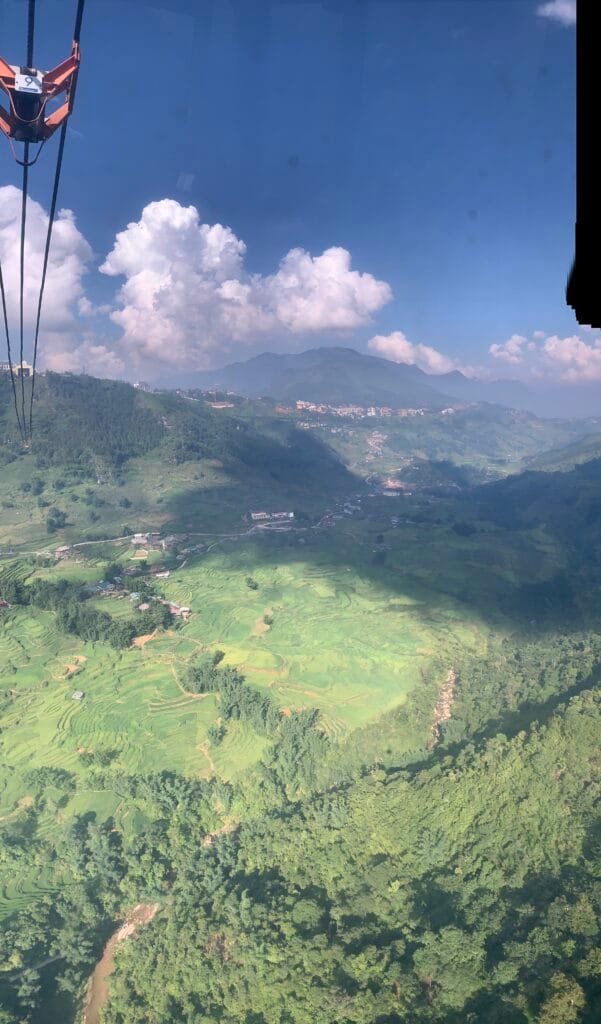
Next part: By bus, by train, or behind the wheel — there is not just one way to Sapa.
The author resides in Ha Long Bay and works as a tour guide, operates a travel agency, and engages in local investment. For private tour consultations and travel inquiries, please use the 'Tour Inquiry' option in the top menu.